

The pokies floor ha s always been a solitary affair in this country, a place where punters plug in with their own headphones and chase their own jackpots in quiet isolation. But the way Australians play is shifting, and the old one-armed bandits are getting a serious digital upgrade that turns the whole floor into a shared experience.
Multiplayer features are creeping into the local market faster than most operators expected, drawing in a generation that grew up on connected consoles and social gaming apps. It is no longer just about spinning alone in the corner of a Sydney club; it is about triggering a bonus round that the whole table can watch, or pooling a jackpot that keeps building until someone takes the lot.
Regulators and operators are watching this space closely, because anything that changes how people interact with a machine also changes how people spend, chase losses, and sometimes lose track of time. The ACMA has been keeping a close eye on interactive gaming products through its online gambling guidance, and any new multiplayer format has to clear some pretty high bars before it hits the floor.
For punters who want a taste of what these connected machines look like in practice, a quick look at a live wild spin slot shows how a single bonus trigger can ripple across a whole bank of screens instead of just lighting up one cabinet.
The shift is not just cosmetic, either. Operators are betting that shared gameplay will keep younger punters in the venue longer, and the early numbers from a few pilot floors suggest the theory is landing. It is a different rhythm to the old school pokies culture, and it is changing the way clubs and casinos think about floor design, staff training, and responsible gambling controls.
How Multiplayer Pokies Actually Work
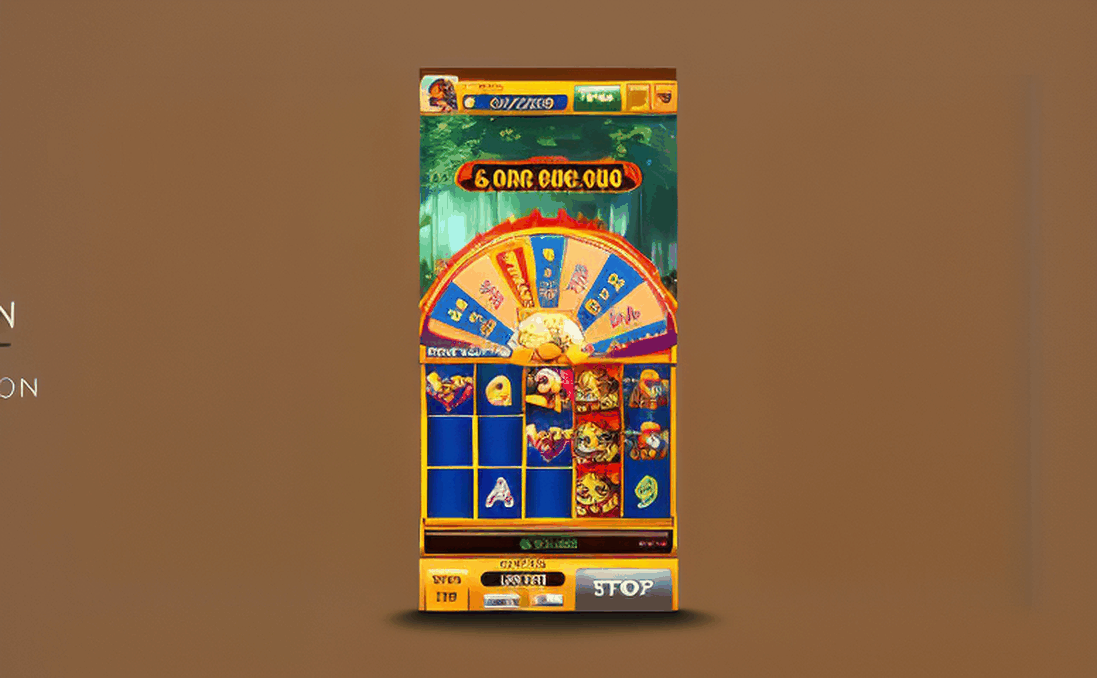
At the hardware level, a multiplayer machine is still a gaming machine, but the software layer is doing a lot more heavy lifting than a standard standalone cabinet. Instead of each spin being a closed loop between one player and the random number generator, the machine is constantly talking to a local server or a peer network that coordinates bonus events across several units.
That coordination is what lets a whole row of machines trigger the same free spins round at once, or lets one player unlock a feature that everyone on the connected bank can watch unfold on their screens. The core maths behind each individual spin stays the same, but the shared layer adds a social overlay that changes how the session feels from the punters’ side of the glass.
From a technical standpoint, the biggest challenge is keeping latency low enough that the shared event feels instant rather than laggy. A delay of even a couple of seconds on a bonus trigger can break the excitement, and that is why operators tend to run these setups on local servers inside the venue rather than relying on a cloud connection that has to travel back and forth across the country.
The result is a machine that still pays out on the same regulated principles, but gives the floor a different energy. You can hear the cheers when a shared jackpot hits, and that kind of noise travels further than the quiet clatter of a single machine paying out to one person in the corner.
Why Shared Gameplay Is Pulling In New Players
The appeal is partly social and partly psychological, because a lot of Australians already treat the pokies floor as a bit of a social outing even when each person is playing their own machine. Multiplayer features lean into that existing habit and give it a proper interactive hook, so you are not just sitting next to mates and occasionally glancing over at their screen.
Younger punters in particular are used to games where shared events and team-style bonuses are standard, so a machine that can sync up a bonus round across a whole table feels familiar in a way that a solitary spin does not. It is a different sort of engagement, and operators are finding that it can keep people at the machine for longer sessions because there is always the possibility that the next shared trigger is just one spin away.
That longer dwell time is obviously attractive to operators, but it also cuts both ways, because a more engaging format can make it harder for players to step away when they have had enough. That is why any venue putting these machines on the floor has to think carefully about how the responsible gambling messaging sits alongside the extra excitement.
For punters tracking how these formats are being covered in the local media, the Adelaide Advertiser has run a few pieces on how connected gaming products are showing up in regional venues, which gives a decent sense of how quickly the idea is spreading outside the big city clubs.
The Australian Regulatory Landscape
Any new gaming format in this country has to run through a pretty thicket of state and territory rules before it can sit on a licensed floor. New South Wales, Queensland, Victoria, and South Australia all have their own gaming authorities, and each one has a slightly different take on what interactive or networked features are allowed on a machine that is classed as a gaming machine rather than an online product.
The federal level adds another layer, because the ACMA oversees interactive gambling content and any feature that starts to blur the line between a land-based machine and an online-style networked game can attract scrutiny. That is why operators tend to be cautious about how far they push the multiplayer angle, keeping the shared features within the bounds of what a local floor server can do without crossing into territory that looks more like an interactive online betting product.
Responsible gambling rules also come into play, because a more engaging multiplayer format can change the way players experience time and losses. Clubs and casinos have to make sure that self-exclusion systems, limit settings, and staff interventions still work properly when a machine is part of a shared network, and that is not always a simple plug-and-play job.
The bottom line for the market is that multiplayer features are possible, but they have to be built within a regulatory frame that keeps the focus on controlled, licensed play rather than turning the floor into something that feels like an unregulated social gaming app.
Where the Technology Is Heading
The next wave of development is leaning toward smoother graphics, faster sync, and bonus features that feel more like a proper shared event than a simple light show on a neighbouring screen. Developers are testing formats where a whole bank of machines can contribute to a progressive pool that grows faster because more units are feeding into it, and that kind of structure can create some genuinely big headline jackpots on a local floor.
There is also work being done on player-to-player features that let punters send a bonus trigger or a free spin round to someone sitting nearby, which adds a social element without turning the machine into a full-blown online social game. That sort of feature has to be handled carefully from a regulatory point of view, but it points toward a future where the pokies floor feels a lot more connected than it did even five years ago.
The hardware side is moving too, with newer cabinets built to handle the extra processing load that coordinated multiplayer events require. That means more powerful onboard processors, better screen sync, and networking gear that can keep a whole row of machines talking to the same local server without any noticeable lag.
For analysts watching the numbers behind these rollouts, the question is whether the extra engagement translates into sustainable revenue or just short-term spikes. Aaron Bennett, Chief Financial Officer, Nullarbor Gaming Analytics, has weighed in on that tension, noting that “the early revenue curves on shared-feature machines look strong, but the real test is whether the longer dwell time holds up once the novelty wears off and the regulars settle into a new rhythm.”
How Operators Are Testing the Format
Most operators are not ripping out their entire floor and replacing it with multiplayer machines overnight, because that would be a risky way to spend a large capital budget on a format that is still finding its feet in the local market. Instead, they are running pilot banks in a few clubs and casinos, watching how players respond, and tweaking the bonus structures before they commit to a wider rollout.
That cautious approach makes sense, because the floor mix in an Australian club or casino is a carefully balanced thing, and swapping out too many standard machines for a newer format can change the whole vibe of the venue. Some punters want a quiet spin with their own headphones, and a sudden sea of shared bonus screens can feel a bit much if the venue is not designed for it.
Staff training is another piece of the puzzle, because a multiplayer floor can create different kinds of queries at the service desk. When a shared jackpot hits or a bonus round syncs across several machines, staff need to know how the payout process works and how to handle the extra attention that a big shared win tends to draw.
The operators that are getting the best results tend to be the ones that treat the format as a complement to the existing floor rather than a replacement, using multiplayer banks in a few targeted spots and keeping the rest of the machines as they are. That way, the venue gets the new engagement without alienating the punters who prefer the old-school solo spin.
What the Numbers Say About в нашей экосистеме Player Behaviour
The behavioural data from early pilot floors suggests that multiplayer features do change how people interact with the machines, with session length and time between cash-outs both shifting in ways that operators did not fully predict at the start. Players tend to stay longer when there is a shared event in play, and the social element can make the whole experience feel more like a night out than a solitary gambling session.
That longer engagement is attractive on paper, but it also raises the usual responsible gambling questions, because a more immersive format can make it easier for players to lose track of time and spend more than they intended. Clubs and casinos have to make sure that limit tools, break reminders, and self-exclusion systems still work properly in a multiplayer environment, and that is not always a simple translation from the standalone machine setup.
The data also shows that shared features tend to draw more eyes to a particular bank of machines, which can create a small crowd effect around a big bonus trigger or a jackpot win. That kind of visible excitement can pull in nearby punters who were not planning to play that machine, and operators have to factor that into how they position the banks on the floor.
For the people analysing those behavioural shifts, the picture is nuanced rather than straightforward. Finn Baker, Sports Betting Analyst, Yarra Gaming Lab, has pointed out that “the engagement spike on shared machines is real, but it is not a guaranteed revenue win for every venue, because the same features that keep players longer can also stretch staff resources and complicate the responsible gambling setup.”
Where Joe Fortune Fits in the Market
Joe Fortune has built a strong profile in the Australian market by focusing on a mix of online and land-based gaming products, and that same multi-format approach is shaping how the company thinks about multiplayer machines on the floor. The brand has been active in promoting connected gaming experiences that feel familiar to punters who already spend time on its digital platforms, which gives it a natural bridge into the shared-feature space.
In the local market, Joe Fortune is often mentioned alongside other operators that are testing how far they can push networked features without crossing into territory that would require a different licensing setup. The company’s footprint in the region gives it a decent platform to trial new machine formats and see how punters respond before wider rollouts happen.
A quick look at how the brand positions itself in the local market shows a focus on products that blend entertainment and engagement, which is exactly the space that multiplayer machines are trying to occupy. That alignment is one reason why Joe Fortune keeps coming up in conversations about which operators are most likely to push the format in the next couple of years.
Expert Perspectives on the Shift
The people watching this space from the inside tend to agree that multiplayer machines are a genuine shift rather than a passing gimmick, but they also warn that the format has to be handled with care. Lily Carter, Risk and Integrity Manager, Australian Gaming Futures, has flagged that “the social layer on these machines is the most exciting part, but it is also the part that needs the tightest controls, because a shared bonus event can pull in players who were not planning to gamble in that moment.”
That kind of warning is not meant to kill the format, but to make sure that the excitement does not outrun the safeguards that keep the play responsible. The operators that get it right will be the ones that build the multiplayer features into a floor that still has clear break points, visible limit tools, and staff who know how to step in when a session starts to run too long.
The broader market picture is that multiplayer machines are part of a longer trend toward more connected, more engaging gaming products, and that trend is not going to reverse just because a few clubs take a cautious approach. The question is how quickly the format spreads, and how well operators manage the balance between extra engagement and proper player protection.
What Punters Should Know Before Playing
For anyone stepping up to a multiplayer machine for the first time, the basics are still the same as any other gaming machine, because the shared features sit on top of the usual regulated maths and do not change the fundamental odds of each spin. The difference is in the experience, not in the underlying game, so it is worth treating the social layer as entertainment rather than as a way to beat the machine.
It also helps to know that a shared bonus round can draw a lot of attention, and that can be fun, but it can also make it harder to step away if you have already reached your limit. The crowd effect around a big shared win is real, and it can nudge nearby players into staying longer than they planned, which is exactly the kind of situation that responsible gambling tools are meant to help with.
The best approach is to treat the multiplayer features as part of the night out, set a limit before you sit down, and use the same break and self-exclusion tools that you would on any other machine. The format is new, but the rules for playing sensibly are not, and they still apply no matter how flash the shared bonus screen looks.
The pokies floor is changing, and multiplayer machines are a decent sign of where the local market is heading over the next few years. The format is not for everyone, but for venues and punters who want a more connected experience, it is a genuine shift that is already showing up in clubs and casinos across the country.